I’ve seen a spate of articles pop up recently discouraging people from going to college in fall 2020 because of the COVID-19 pandemic situation. They’re mostly from self-mythologizing startup douches and/or carpetbaggers trying to sell alternative education products, so there isn’t much of value in them and I won’t be linking.
However, talking about them has me refining and recording the advice I give to prospective college students. So in that interest, a list of my usual advice. Which is very, very explicitly prefaced with the usual “Opinions expressed are solely my own and do not express the views or opinions of my employer” disclaimer.
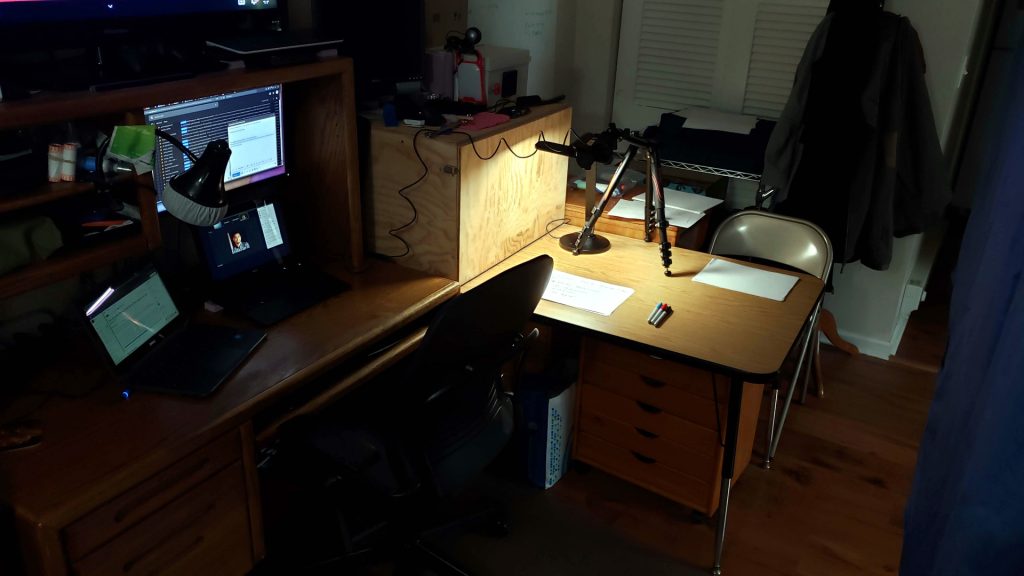
During the first week and change of our vast national COVID-19 induced remote teaching experiment I made some notes on practices and improvised some equipment that has proved useful, and seems worth sharing with others.
This two week period I’ve primarily been running lab sessions to help my herd of mostly-Sophomores do and get sign off for a digital design lab exercise using Verilog to implement state machines, adapted slightly from our usual lab at this time in the semester.
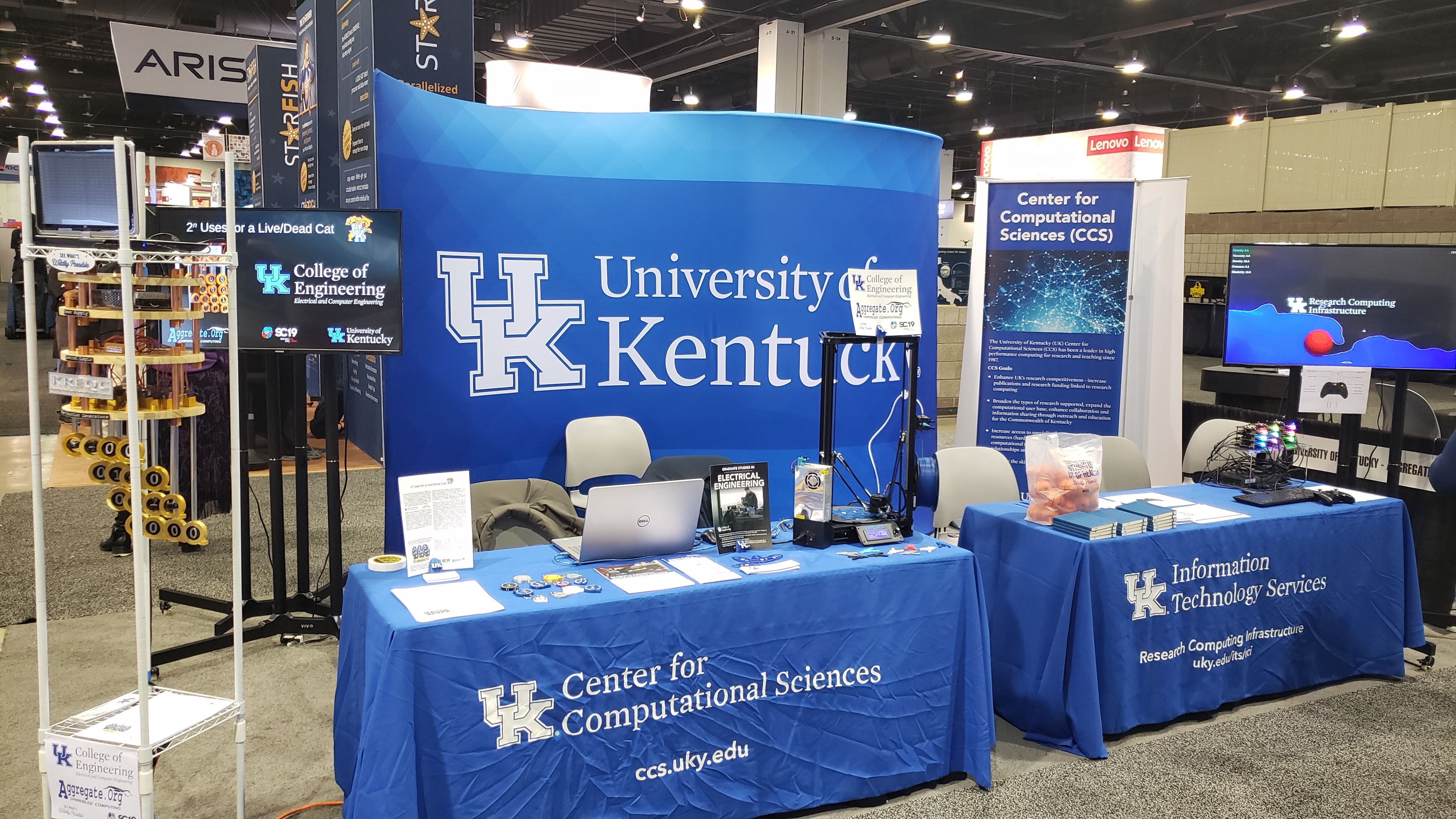
Even though I haven’t done any work in that area in years, I got pulled into the Supercomputing conference again this year. Can’t complain, it’s always fun. UK’s combined booth looked good this year
Far corner is a little updated TinyTitan style Raspberry Pi cluster with a interactive CFD demo running on it that the CCS folks have been playing with, that thing in the leading corner is a cute flip-dot “quantum computer” model we built as a front-end for a 16-bit instance of Hank’s parallel bit-pattern computing system that can do quantum algorithms efficiently on a conventional platform – set in the corner of the booth like
He did surprisingly well with this approach.
The exhibit floor was even more dominated by cooling tech this year. Exciting finds are the coming of very open (Open Compute Project, Coreboot + Open Network Linux) white-box 100GBE switches at reasonable prices, Fujitsu’s A64fx ARM with SVE and obscene memory bandwidth parts actually landing in systems, and (just because it tickled me) pre-wired fully populated Clos topology 100G cable harnesses. The other dominant species was AI woo; my body is ready for AI Winter 3.0.
Google photos album of my annotated show floor photos is here.
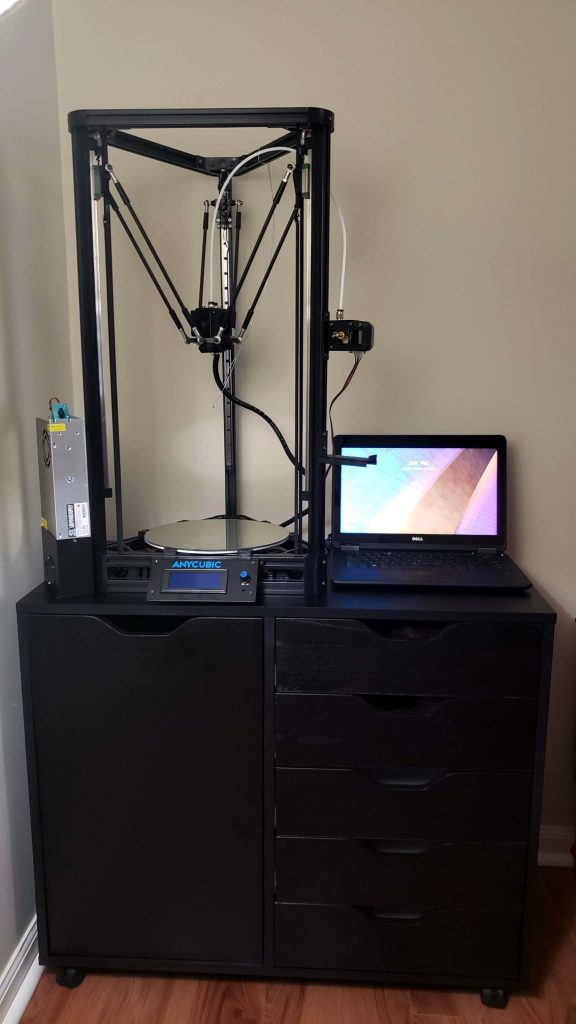
I’ve been working with a number of Anycubic Linear Kossel / Kossel Plus (whatever branding they’re using when you look) 3D printers for the last couple months, including one I bought personally. While I’m overall extremely pleased with them, there are a whole bunch of notes, fixes, and improvements I feel like should be collected somewhere.
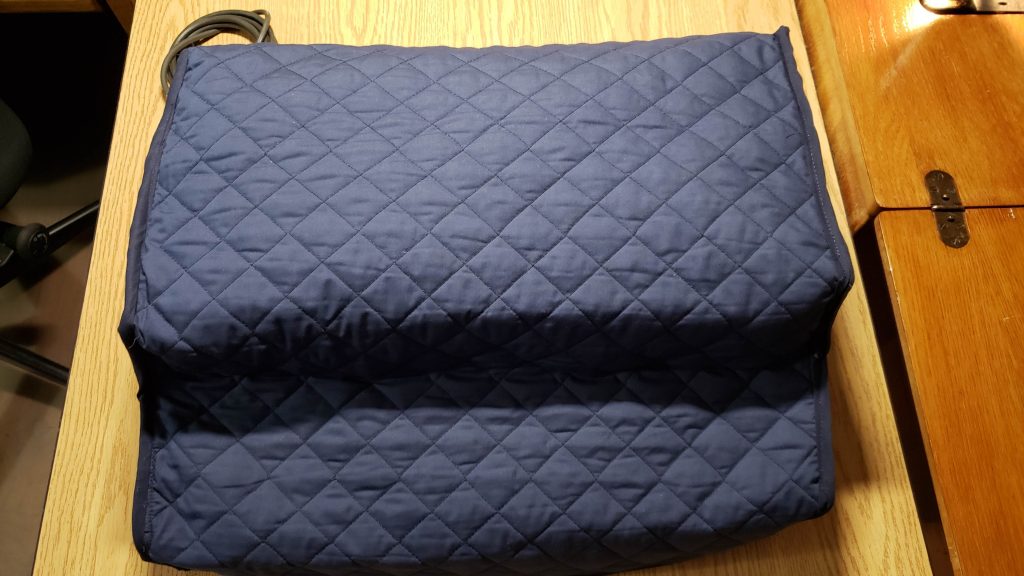
Bias-tape bound seams out looks better, even if the sewing job is obviously uneven.
Some months ago I decided I wanted to play with an IBM Selectric typewriter, and after some fuckery, obtained and started working on an example of the dual-pitch, correcting Selectric II I find most appealing. At some point there will be an extended post about that, but 1. I’m not entirely sure I know what I’m talking about yet, and 2. Too much writing at the time I was working on it. This post is not about the machine, just the cover I made for it.
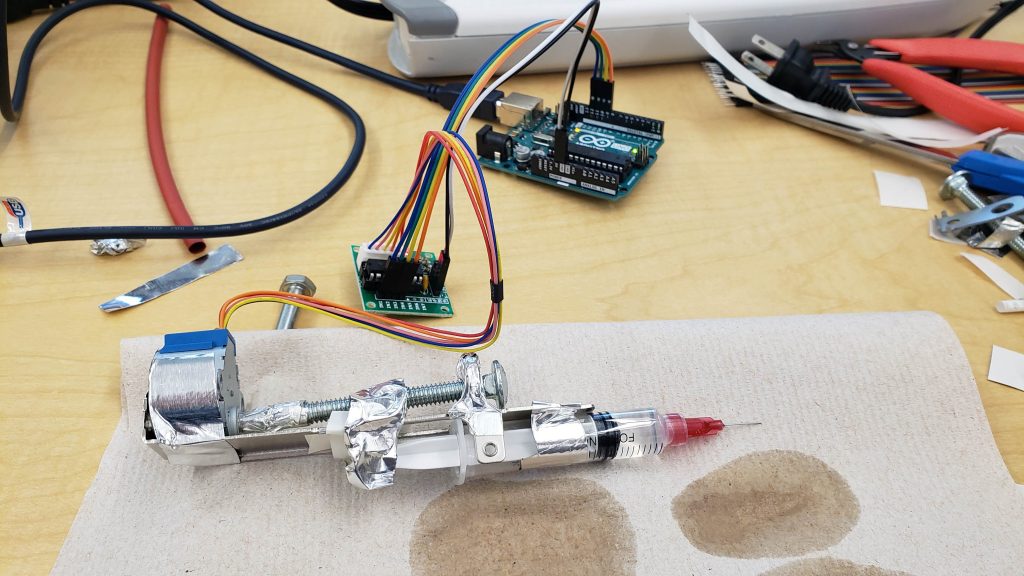
Scrapheap Challenge: The world’s worst syringe pump.
Or, three hours enjoyably lost to a visit from the bad idea fairy.
My PhD advisor and I were chatting in the lab today and had an idea that it would be interesting to try to drip/jet a bit of water onto just-extruded filament, ideally in small enough quantity that it phase changed and flashed off with all the excess energy, in order to allow printing unreasonable unsupported structures.
It unfortunately doesn’t look like it will be practical, but we got a PoC-grade implementation in a few hours and it seemed worth a quick write-up to document our experiment for the interwebz.
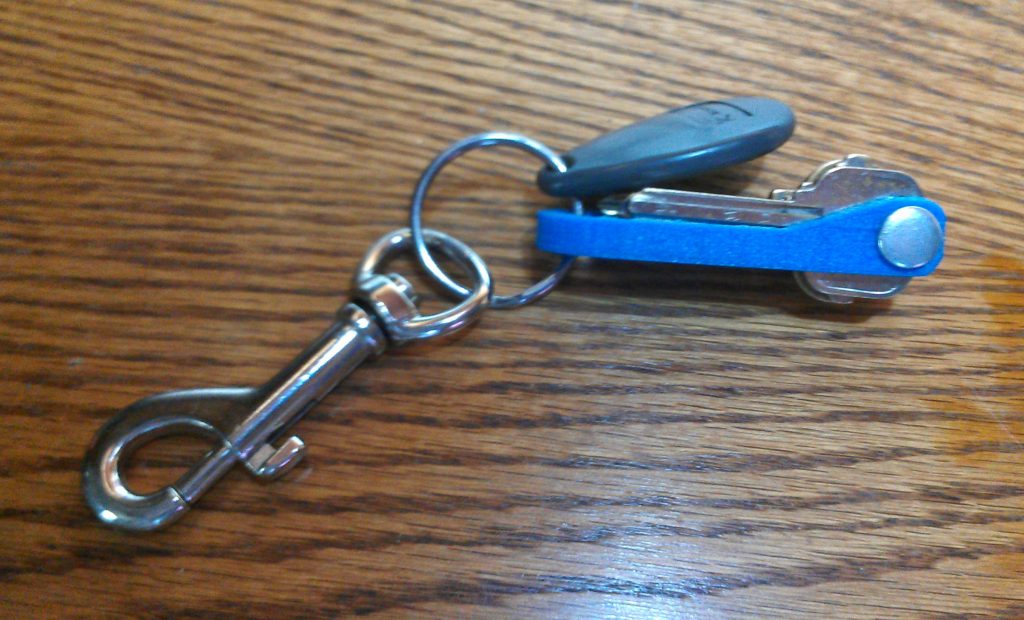
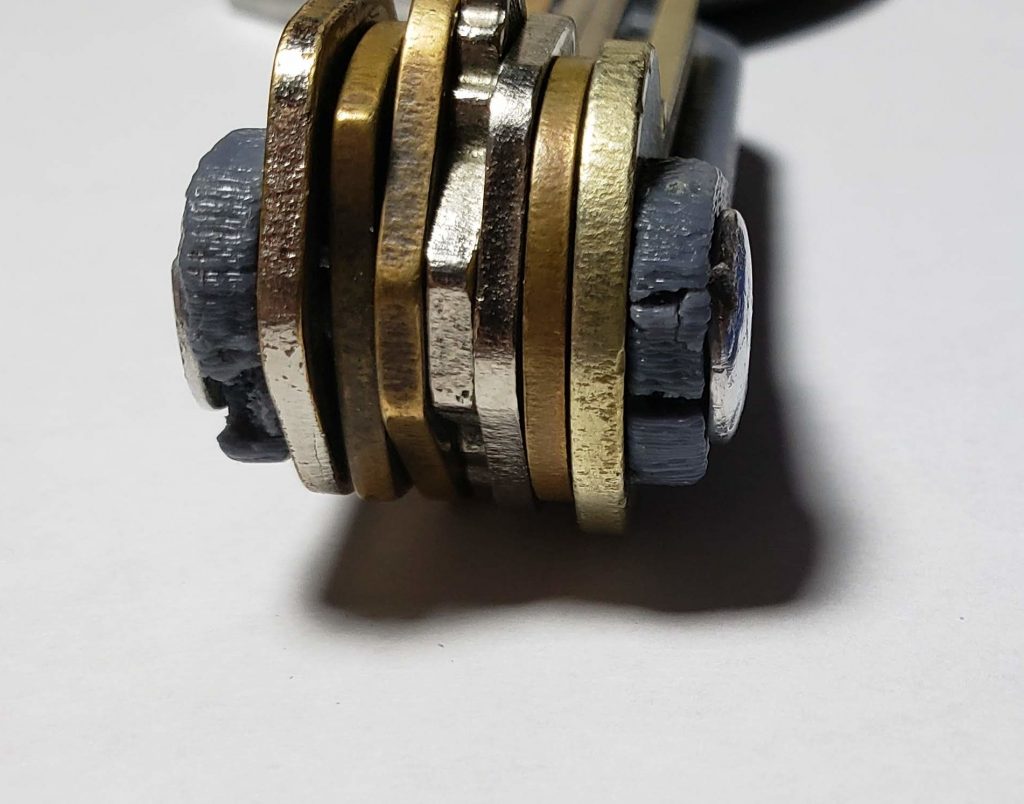
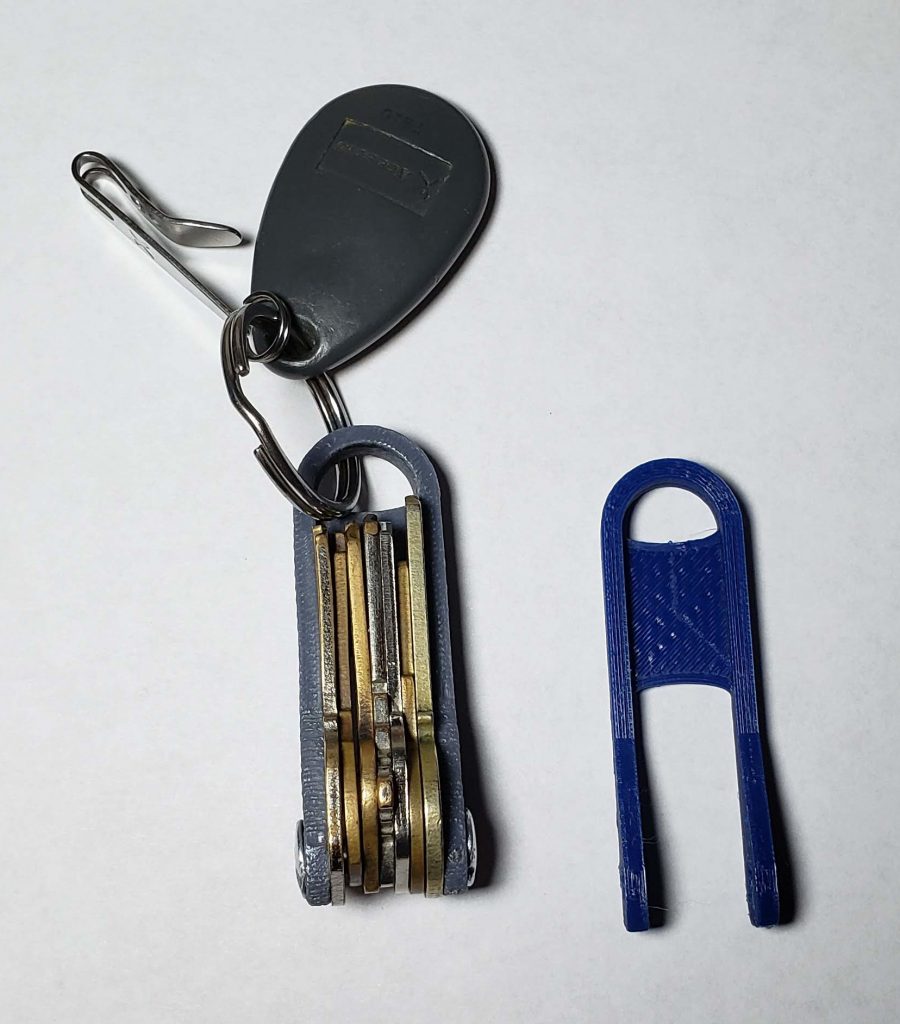
I’ve been carrying a series of slightly-customized 3D printed bolt-type bladekeys since 2014. Despite being printed PLA, I’ve only had to print a new one once every several years – I wasn’t keeping good records but I think this is my third plastic body, second #8-32 “Chicago Binding Post,” and I upgraded the type of pocket clip at some point. I’m yet to have a catastrophic failure. The setup essentially eliminates key jingle, poking, or wear on pocket facings, while still being easy to tap check and use. The only slight downside to this setup is that when I attach a car key and put it in the vehicle, the blade-key dangles at knee height and occasionally grabs a leg hair – if I drove more I’d probably tweak how I attach the car key to fix that.
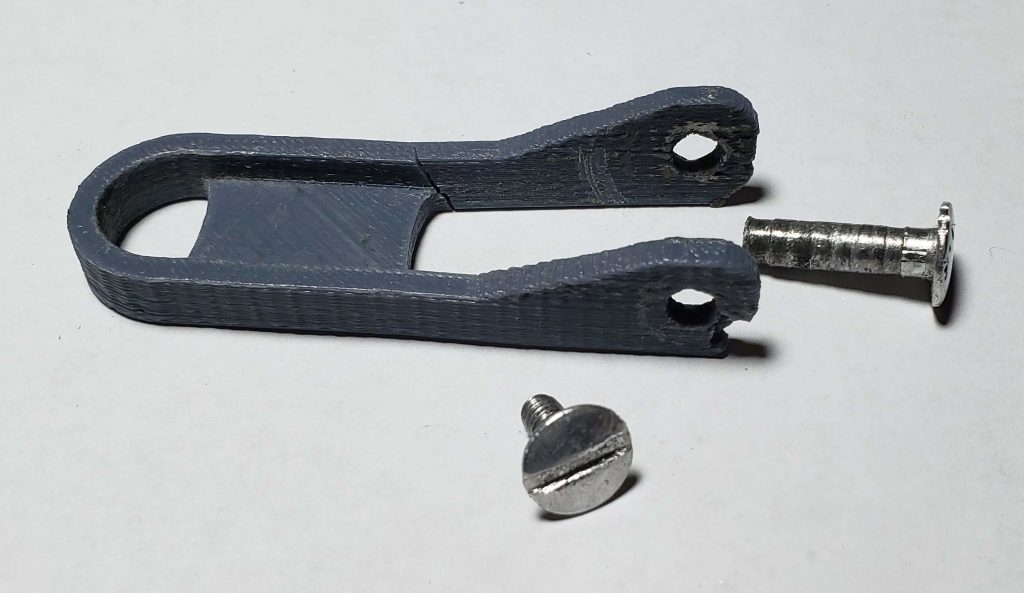
Pictures from the first one I carried in 2014, and the most recent swap out, induced by it “getting loose” and letting the stack of keys flip forward in my pocket – which turned out to be the result of several cracks in the plastic body. Plus, flexing that the bitting and labels are both obscured when closed, which I suppose is a minor security feature, especially when posting pictures on the Internet.
The first version I carried in 2014. IIRC that filament had greenish glow-in-the-dark additives.
I think this one died from a drop onto concrete, cracks in the end.
Old and new plastics.
Extensive damage to the one I’ve been carrying for the last several years.
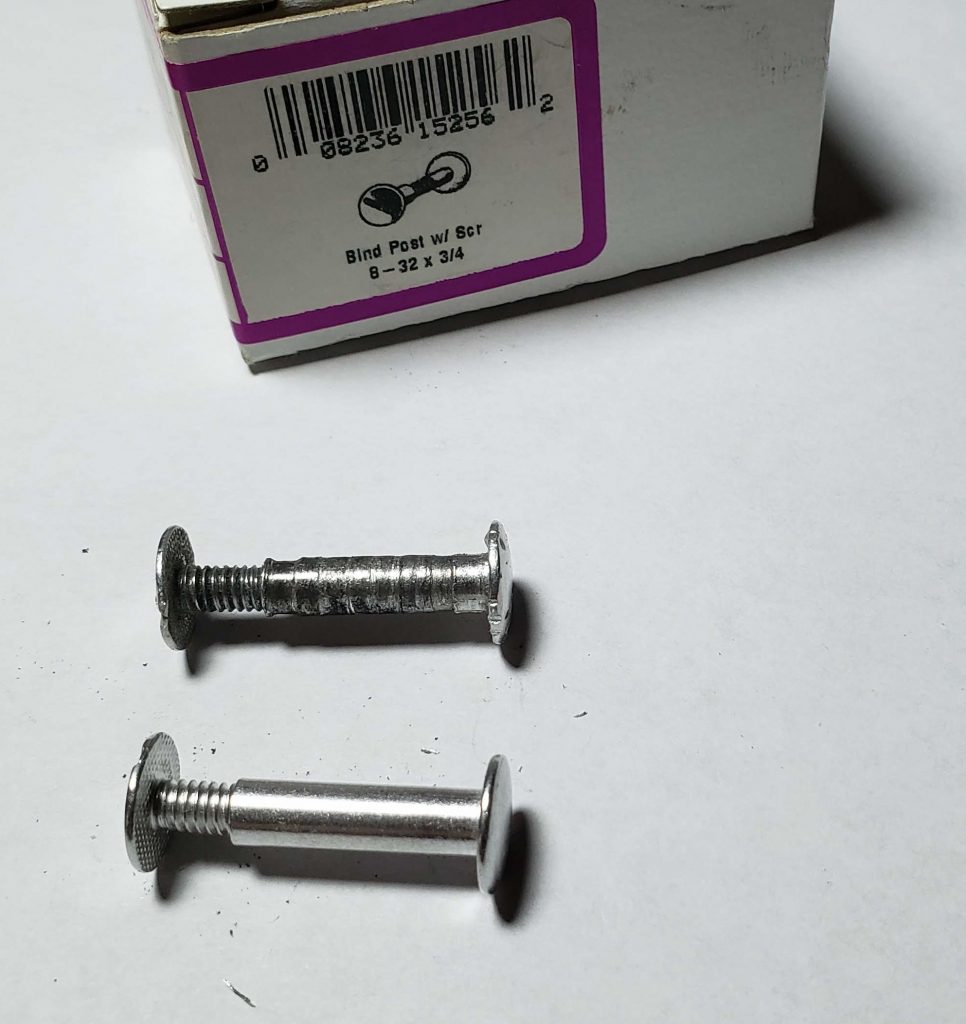
A deeply grooved binding screw, plus a fresh one and the box, which probably represents a lifetime supply.
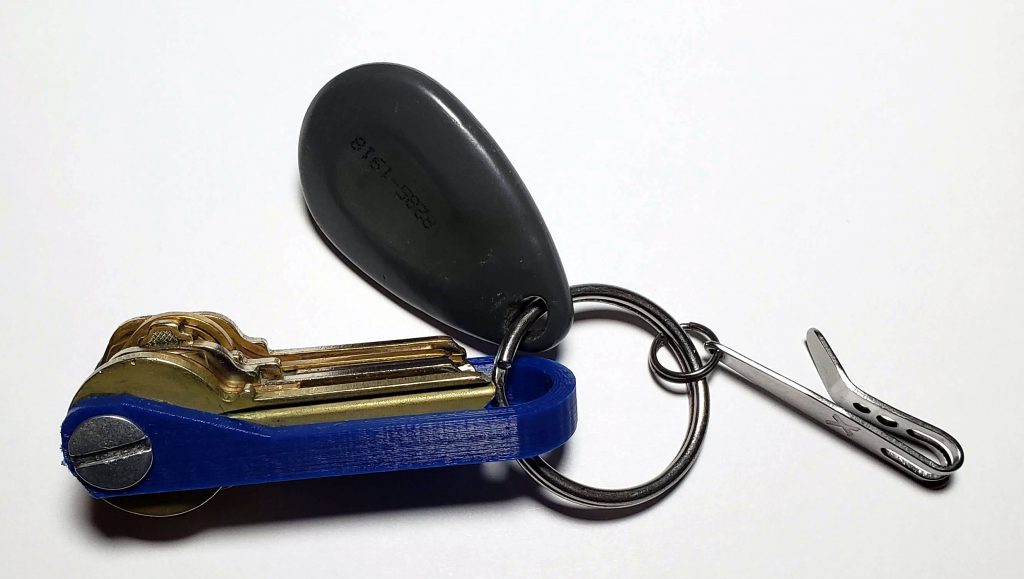
My current iteration.
At this point I’d buy one of the fancy ones just to support the designer, but my desired size falls in between the models they do commercially (I use 15mm W x 58 L, closest sizes are 12mm W and 19mm W). Maybe sometime I’ll get ambitious and cut one in a different material on the router.
The server that hosts this page was updated from Debian Jessie (8) through Stretch (9) and onto Buster (10) over the course of a few hours today. It involved surprisingly little suffering and should not affect functionality, please let me know if you find anything left in a broken state.
I didn’t realize how long it had been since I did any manual maintenance here, apt unattended upgrades, certbot, and a few scripts for user-installed package upgrades and backup had done such a good job maintaining things just visibly enough to know it was being taken care of that I’d let it get past-due. Most of my other individually-installed boxes are Arch rolling-release machines that require a few minutes of attention every month or two, so they don’t have the periodic major breaking maintenance issue to the same degree.
Now I can let it take care of itself again until 2022 or thereabouts.
A few notes that may be useful to others under the fold. Continue reading →
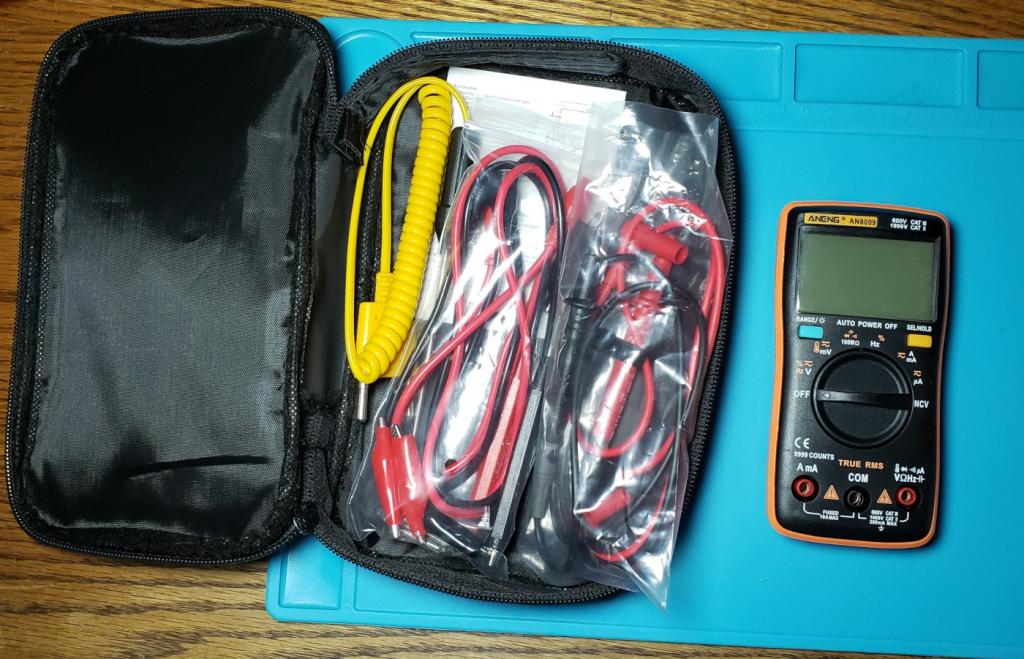
I just picked up an Aneng AN8009 DMM as an upgrade to the cheap, cheap (but surprisingly OK) Circuit Specialists branded MY-68 I’ve had as my home on-desk approxometer for ages. It’s a nice meter for $30ish, and can be readily hacked to improve its performance. I tend to point people to mid-range Uni-T DMMs when they asked for decent hobby meters, but now I might switch to one of these plus one of those little $10 Atmega328 based component testers cloned everywhere for ~$10 as basic electronics lab instruments.
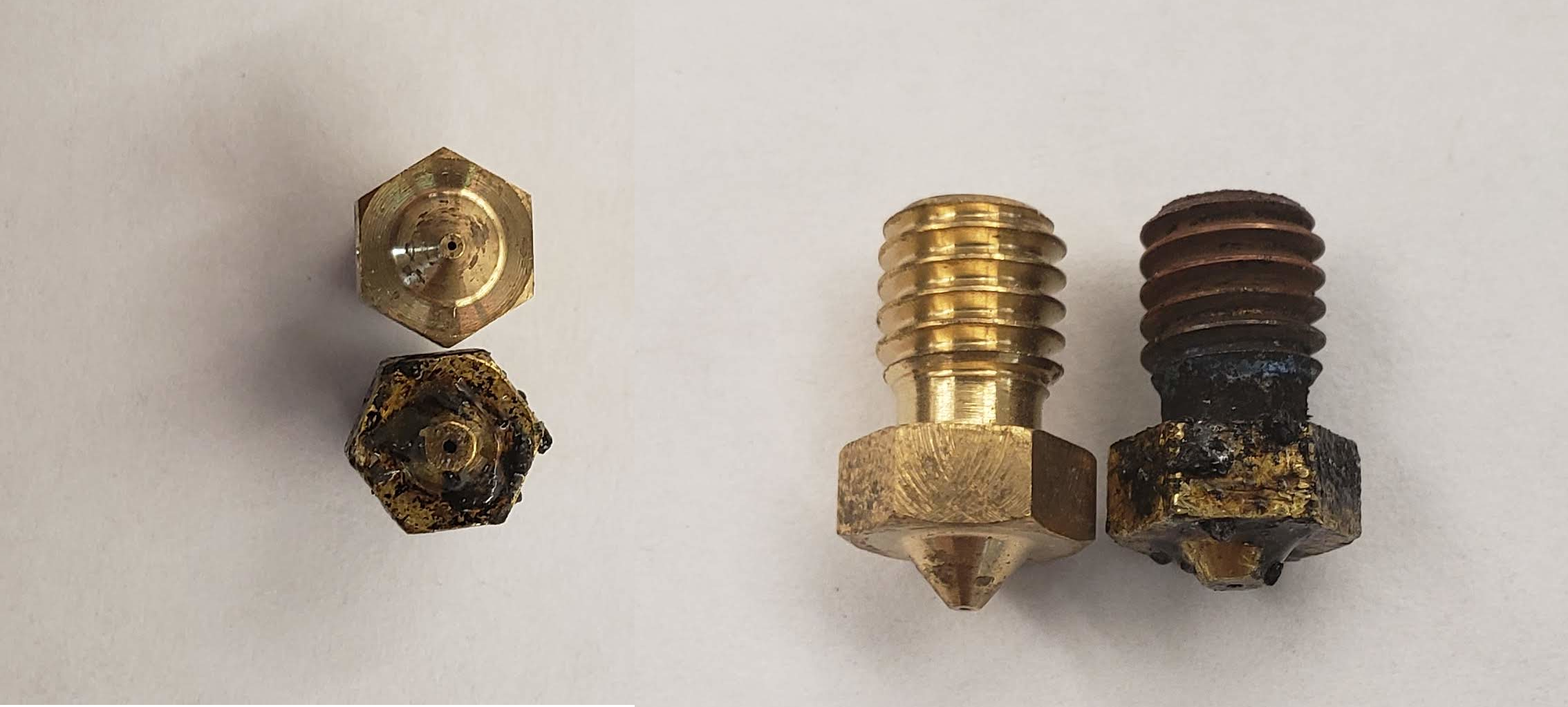
We were doing a bit of beginning-of-summer lab maintenance and one of the projects was to figure out why the MakerGear M2 (Which has been heavily modified over the years, Azteeg x5 mini motherboard, E3D hotend, etc.) was behaving so strangely. Well… there’s your problem. Fresh 0.35mm nozzle next to the bored out, abraded down corpse of a nozzle that we’ve, in retrospect, been running for something like 3 years. Turns out printers work much better when the nozzle aperture is roughly the size it’s supposed to be. Still seeing some odd temperature fluctuation, but … look at that thing.
David Sorenson: But when the workers stormed the Bastille, they only found seven prisoners and one of THEM was the Marquis de Sade. Quinn Morgendorffer: Eww. David Sorenson: That’s more or less the way THEY felt.